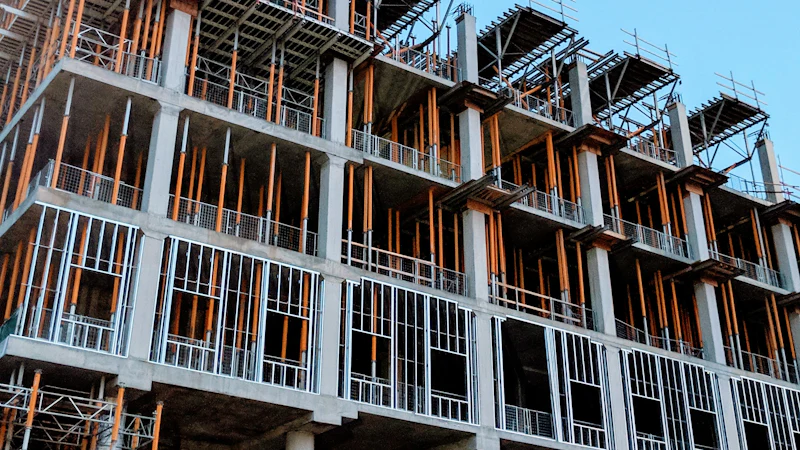
Ready-Mix Concrete: When It Pays and When It Doesn't
RMC removes mixing variability and site labour — but it imposes a schedule discipline that not every project is ready for.
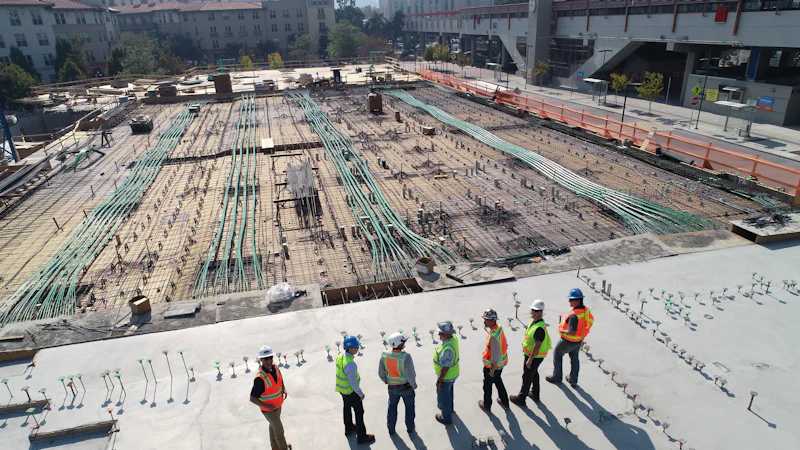
Site-mixed concrete is only as good as the labourer counting head-pans on the day. Batching by volume rather than weight, uncontrolled water addition, and inconsistent mixing time introduce a variability that no cube test can retroactively fix. Ready-mix concrete replaces all of that with a plant-controlled, weight-batched, documented mix.
What RMC buys you
- A repeatable mix design, batched to weight, with a delivery docket recording exactly what was in the drum.
- Materially less wastage — no cement bags splitting, no aggregate stockpiles bleeding into the ground.
- Far less site labour and no space consumed by batching plant, aggregate and cement storage.
- Higher pour rates, especially with pumped placement on high-rise work.
What it demands in return
Concrete begins setting the moment water meets cement. Transit time is therefore not a logistics detail — it is a material property. An RMC pour requires the site to be genuinely ready: formwork checked, reinforcement tied and inspected, pumps primed, crew in place, and a clear plan for what happens if a mixer is delayed in traffic.
Projects that treat an RMC booking the way they treat a bag order — approximately — end up placing concrete that has passed its workable window, or rejecting loads at the gate. Both are expensive.
The honest assessment
For large-volume slab and raft pours, infrastructure work, high-rise construction, and any project where the specification demands documented mix compliance, RMC is not merely better — it is the only defensible choice. For a small residential build with intermittent, low-volume pours and no site access for a transit mixer, bagged cement mixed with discipline remains entirely reasonable.
The mistake is assuming RMC is a premium upgrade rather than a different operating model. It rewards projects that plan; it punishes projects that improvise.